SystemModernizationforsoftwarethatisholdingyourbusinessback
Yoursoftwaremaystillwork.
Andstillbeaproblem.
Legacy software rarely fails all at once. It usually becomes a liability slowly: new features take longer, bugs return, performance gets worse, the original developers are gone, documentation is missing, integrations become fragile, and nobody wants to touch certain parts of the codebase. The system still runs, but it starts shaping business decisions in the wrong direction — you avoid new ideas because implementation would be painful, you keep manual workarounds because the system is hard to change, and you depend on old vendors or internal knowledge that is slowly disappearing. That is when modernization becomes a business issue, not just a technical one.
Changes take too long
Simple requests require too much analysis, too much coordination, and too much regression testing. The team is afraid that changing one part of the system will break another.
Bugs keep returning
The same issues appear repeatedly because the underlying structure is weak. Fixes become patches instead of real improvements.
Integrations are fragile
The system depends on manual exports, unstable APIs, duplicated data, or scripts nobody wants to touch. When one connected tool changes, the whole workflow becomes vulnerable.
Modernizationpaths

Stabilize
Fix urgent reliability, performance, security, and deployment problems without changing the whole system.
Extend
Add new features, integrations, and workflows while preserving the existing system.
Refactor
Improve the architecture and code quality while keeping the system's business function intact.
Rebuild
Replace the system when the existing foundation is too limiting, too risky, or too expensive to maintain. A rebuild should usually be staged, not reckless.
System Modernization Audit
Before recommending a major modernization path, we start with an audit to understand the current system clearly enough to make a responsible decision.

AI readiness
AI is hard to add to systems with poor data access, unclear permissions, weak APIs, and messy workflows. Modernization is often the first step before useful AI implementation.
Stabilize
Fix urgent reliability, performance, security, and deployment problems without changing the whole system.
Extend
Add new features, integrations, and workflows while preserving the existing system.
Refactor
Improve the architecture and code quality while keeping the system's business function intact.
Rebuild
Replace the system when the existing foundation is too limiting, too risky, or too expensive to maintain. A rebuild should usually be staged, not reckless.
System Modernization Audit
Before recommending a major modernization path, we start with an audit to understand the current system clearly enough to make a responsible decision.
AI readiness
AI is hard to add to systems with poor data access, unclear permissions, weak APIs, and messy workflows. Modernization is often the first step before useful AI implementation.
Howweworkin7steps
Understand the current system
We look at the code, infrastructure, workflows, users, integrations, data, and business logic — to understand not only what the system does, but why it matters.
Identify risk and business impact
Not every technical problem deserves attention first. We prioritize based on business risk, operational pain, security exposure, and cost of delay.
Choose the modernization path
We decide whether the system needs stabilization, extension, refactoring, rebuild, or a staged combination. This decision should be explicit.
Create a practical roadmap
We define what should happen first, what can wait, and what dependencies matter, creating momentum without unnecessary operational risk.
Improve in controlled cycles
We modernize in focused cycles with clear deliverables. Each cycle should reduce risk, improve capability, or prepare the foundation for the next step.
Validate with real users and real operations
Modernization is only successful if the system works better for the people and processes that depend on it. We test changes against real usage, not just technical assumptions.
Stay involved after release
Modernized systems still need ownership. We can continue supporting development, monitoring, infrastructure, security, integrations, new features, and AI-enabled improvements.
Ourclients






Selectedprojects
From regulated FinTech and RegTech platforms to AI systems, marketplaces, and large e-commerce ecosystems.




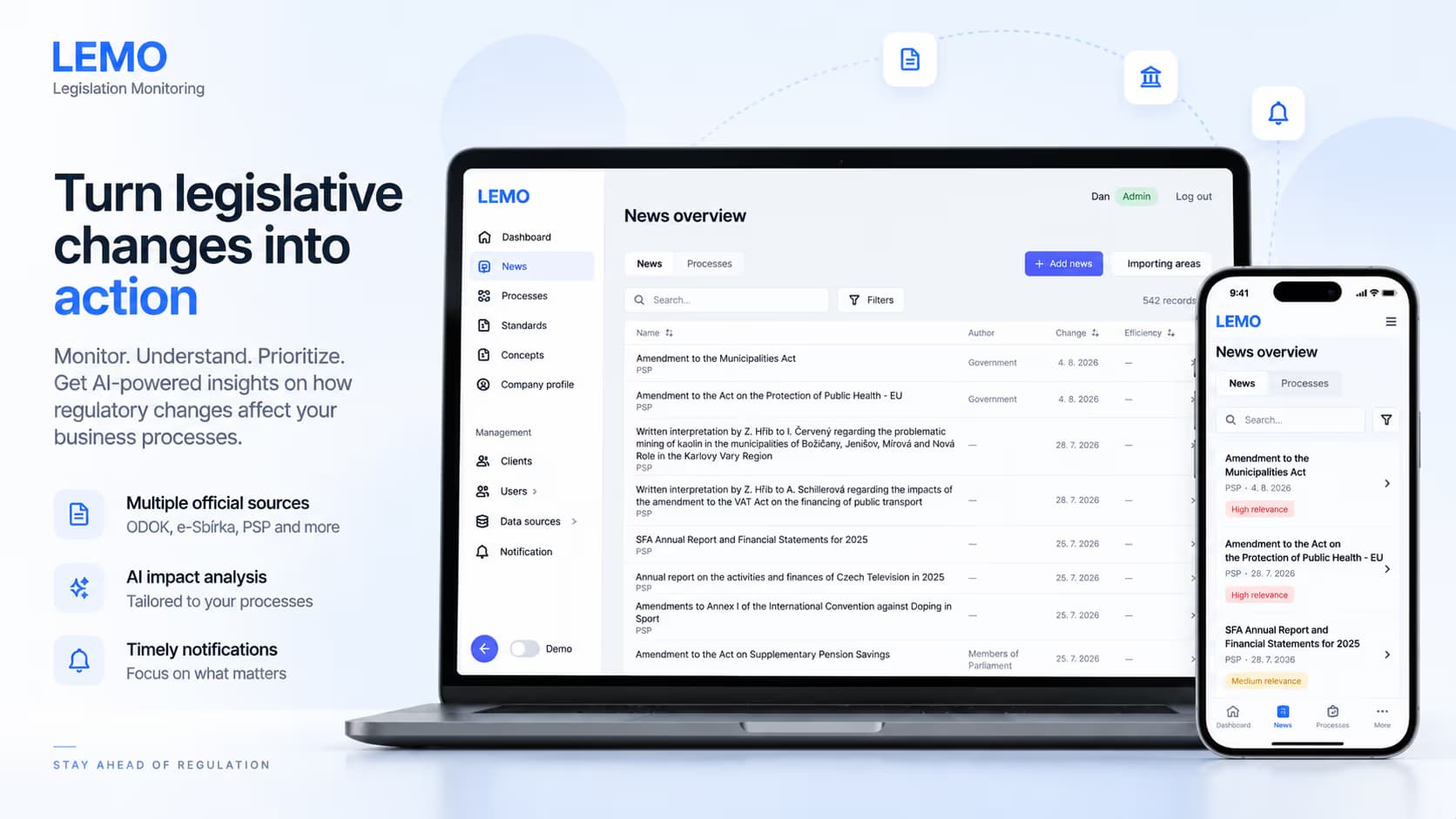


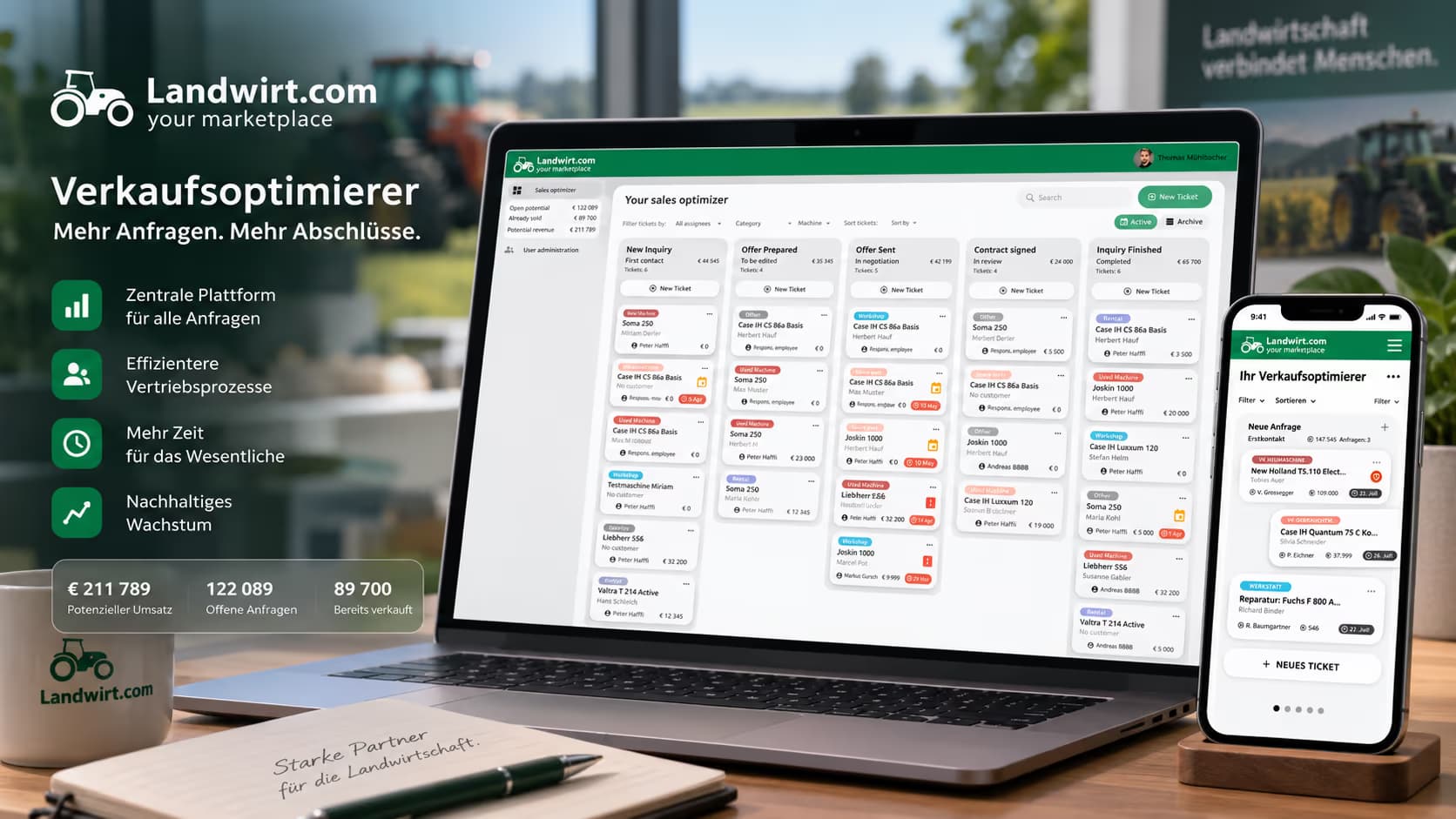
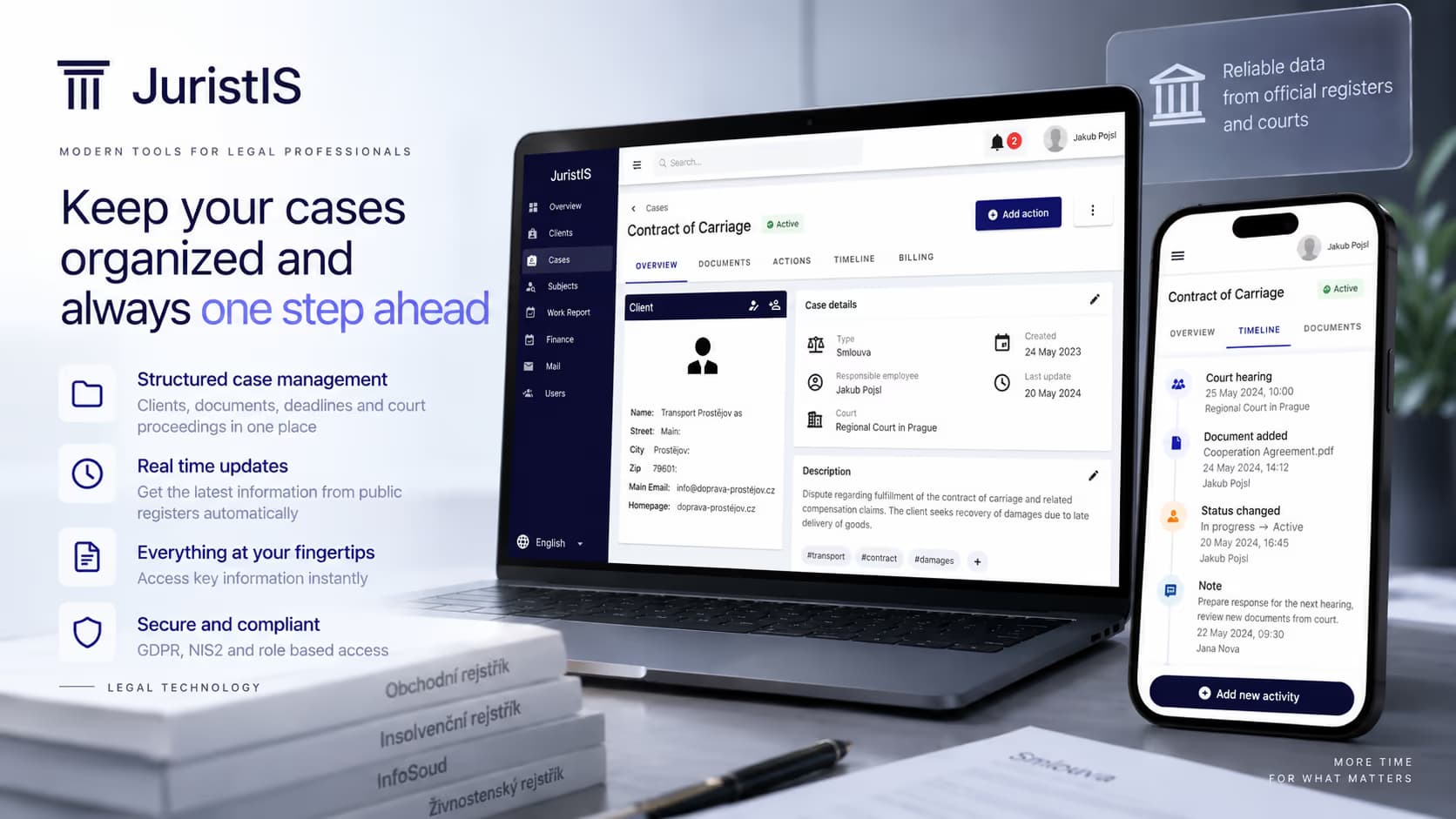
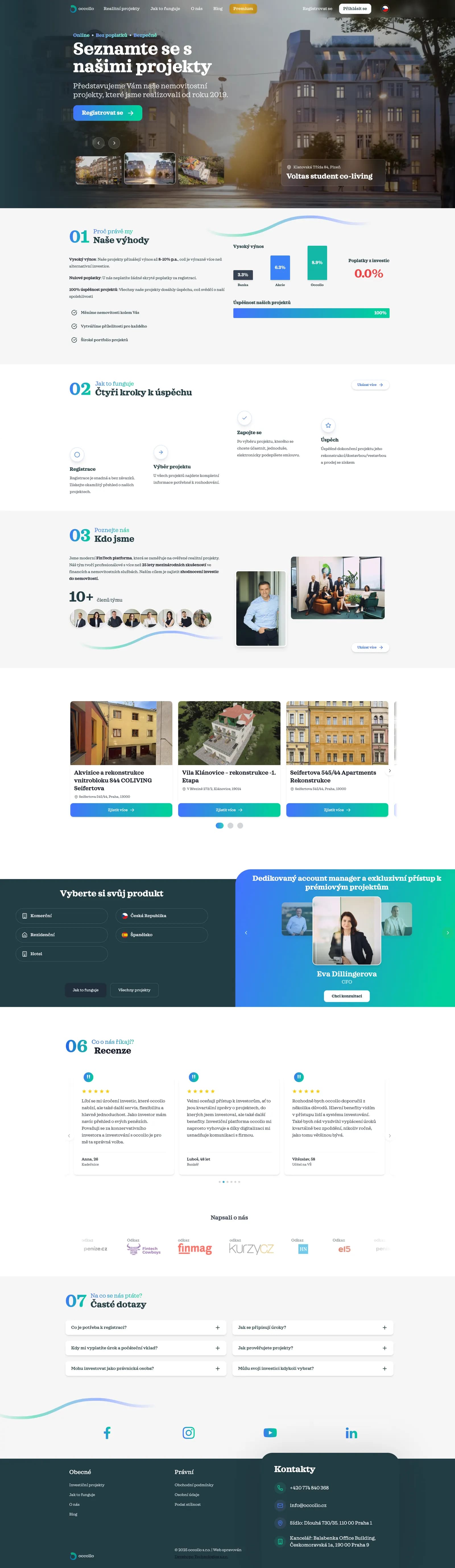
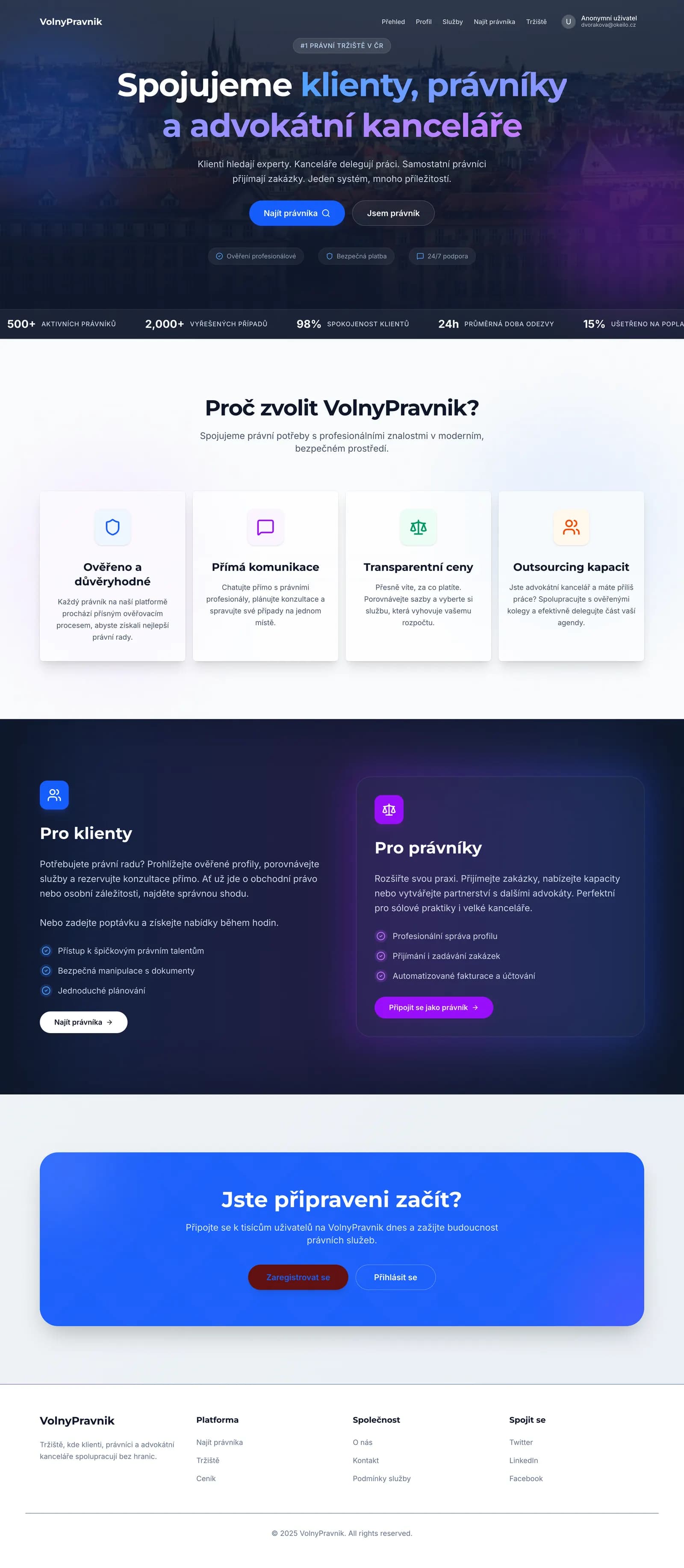
Lawyers Marketplace
Website and marketplace platform for attorneys and law firms
WhyDevehopeforSystemModernization

We do not default to full rebuilds
A full rebuild is sometimes the right answer. Often it is not. We start by understanding the system and the business context before recommending the level of intervention.

We understand production systems
Modernization work touches systems people already depend on. That requires discipline: backups, staged releases, testing, monitoring, rollback plans, and clear communication.

We connect technical debt to business cost
Technical debt is not a moral failure. We translate technical findings into business impact: what slows delivery, what creates operational risk, and what blocks new features.